I asked Certified Intuitive Eating Counsellor Ela Law to write me a blog about baby-led weaning…
You ask ten parents and you get ten different answers to any childcare-related question you may have – as parents we are bombarded with advice, which isn’t always helpful. This is no different for weaning your baby.
As an intuitive eating counsellor I am passionate about letting children learn to honour their hunger and fullness cues from birth, and not to have them overridden by external influences. Therefore, baby-led weaning will get my vote every time because not only will it help babies learn to navigate different foods, flavours and textures, they will also be in charge of deciding when they have had enough or whether they want some more.
Sounds scary? Read on! Having used it with both of my children to great success (and the amazement of my friends and family who watched these little people feed themselves at such young ages), it quickly became something I wanted to let other parents and caregivers know about.
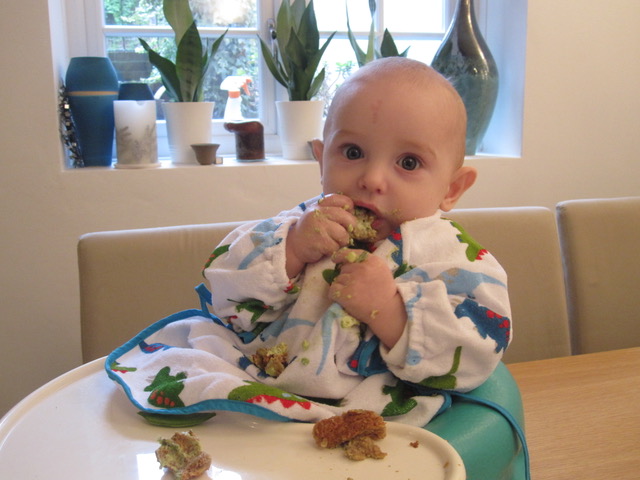
What is baby-led weaning?
Baby-led weaning has been around for centuries, but was made popular again by Gill Rapley and Tracey Murkett. It also draws on the principles of Ellyn Satter’s ‘Division of Responsibility’ which states that you as the caregiver are responsible for deciding what is served and when, and your child is responsible for whether and how much they eat from what is on offer. This can be challenging for parents, as we tend to think that we know best how much our child should be eating. Am I right? By deciding for our children, we take away the trust they have in their internal signals; the innate and wonderful way they know exactly when they are full and when they are hungry.
But baby-led weaning isn’t just about eating independently and using internal hunger and fullness signals, it is also about developing very important skills. Babies who feed themselves develop hand-eye coordination quickly and successfully, they are very accepting of new foods and textures, they learn about the world around them by being allowed to explore foods in their own time, and they have the opportunity to develop independence in choosing what and how much they want to eat.
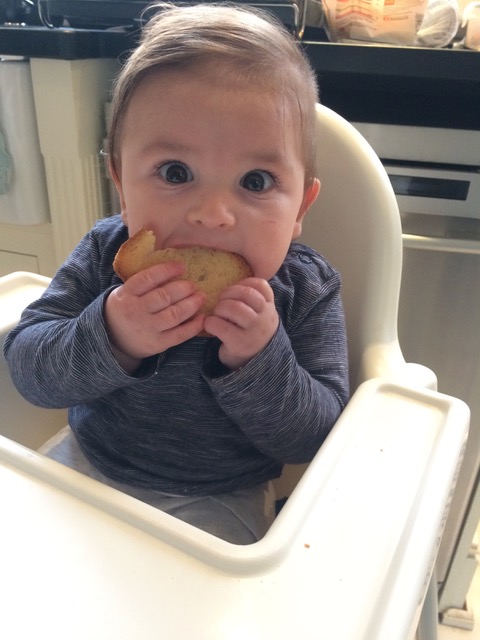
Simplicity itself
Baby-led weaning is simple: you don’t have to cook anything special, you don’t have to prepare food separately, you just eat your meals together (note: this is super important: eat with your children to role model how to eat, how to use mealtimes as social occasions, and to show that you eat the same food and that it is safe)! Babies from the age of about six months can start eating most foods (with a few important exceptions, see below for more info on what NOT to offer at the beginning). There is no program to follow, no ice cube trays to fill, no special equipment to be bought. It is very simple: your baby eats what you eat! This might give you a great incentive to explore your own food hang-ups and maybe also find things you could add to your diet.
Is your baby ready?
It is really important that your baby is ready for baby-led weaning:
They should be able to sit upright in a highchair and support their head and neck independently. They also need to be able to pick up and hold food, put it securely into their mouth and chew/move it around in their mouth (even though they might not have teeth yet). These signs generally appear around the age of 6 months (some children are younger, some are older). Remember that it’s not a competition as to who has the youngest eater. This is about allowing your child to be developmentally ready for solid food and feeding themselves. Until then, milk is absolutely sufficient!

What foods to avoid
As mentioned earlier, there are some foods you should not give to your baby when you start weaning (this goes for all weaning methods):
whole nuts (choking hazard), honey (ok from age 1, before there is a small risk of botulism due to some spores that might be present in honey), marlin, swordfish or shark (because of heavy metals in the flesh), rice drinks (due to higher arsenic concentrations – the levels are fine for older children and adults), added salt and sugar (salt can be harmful for babies’ kidneys, and sugar is just not necessary but does not have to be avoided at all costs either), cow’s milk (not until 1 year of age, babies can’t digest the milk protein and milk sugar until then), unpasteurised milk and mould-ripened/blue-veined cheeses (small chance of listeria bacteria causing harm).
From 1 year on
From the age of 1, most of the above can be included (apart from whole nuts and rice milk) as part of a varied diet because the gut has matured enough to deal with bacteria by then. There are nuances to any of this depending on the individual and the above serves as a guideline only and doesn’t replace individually tailored dietary advice.
As choking is often a worry for parents considering baby-led weaning let me assure you that there is no evidence that the risks are higher than in spoon-fed babies. As a general rule, be careful to slice or halve any fruits and vegetables, or any other food, that can become lodged in babies’ throats (such as grapes, cherry tomatoes, raw carrot, sausages).
Eating as a social activity
One of the lovely things about baby-led weaning is that your little one can join in festive meals eating the same food as everyone else. There is no reason why they shouldn’t tuck into Christmas dinner, eat some pumpkin pie for Halloween, or try some sausage roll at the bonfire night. Giving them lots of opportunities to experience real food and be part of the celebration is a great way of showing them that food is much more than just fuel and nutrients. Food is joy, socialising, connection, celebration, fun, comfort – let them explore this aspect with you!
This is just a whistle-stop tour of baby-led weaning and there is a lot more information available if it is something you would like to explore. I would recommend Gill Rapley and Tracey Murkett’s books or for a step-by-step guide with all the information you need you can take my online course which includes a 30 minute consultation with me for any questions or concerns you may have.
Ela Law
As a Certified Intuitive Eating Counsellor Ela works with clients in person (Sevenoaks, Kent, UK) or remotely (video or phone call – this can be from anywhere in the world). She works with people from all age groups – she is a baby-led weaning expert and passionate about raising intuitive eaters. In working with adults, her aim is to support her clients gain life-long tools to develop a more peaceful relationship with food and their bodies and to enjoy life. Ela includes mindfulness and meditation techniques in her sessions as well as EFT (Emotional Freedom Technique) tapping if requested. She also runs group workshops and collaborates regularly with other therapists and coaches on events and retreats.
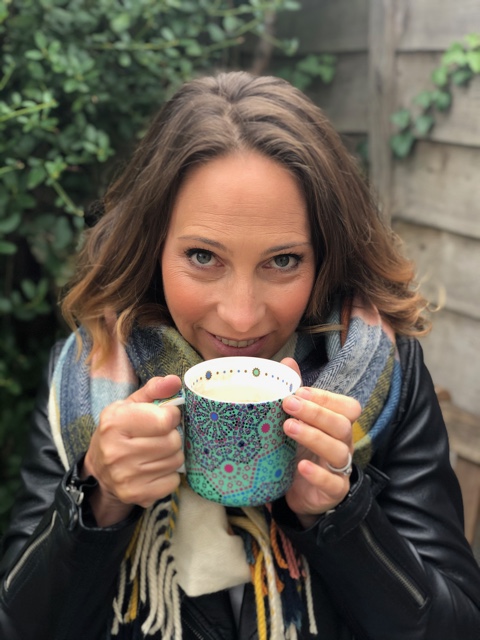
Ela has a BSc in Psychology and an MSc in Public Health Nutrition.
Social media handles: @elalawnutrition on Facebook, Instagram, LinkedIn
Leave a Reply
You must be logged in to post a comment.