Hi everyone, I’m Alison Marsden and I am a local gardening advisor and speaker with a specialism in how gardening can help to support our wellbeing. I am delighted that Janet asked me to write this blog as growing and nurturing plants is a great way to connect the whole family with nature even when our ability to go out into the wider natural world is limited.
Gardening
Here is a gardening activity that you can do at home, on a table and with no mess. Even better, success is (almost) guaranteed within days if you remember to water and you can eat the results. As well as enjoying the immense smugness of eating their own produce, your children can watch the wondrous process of seeds germinating before their eyes, a sneaky way of continuing science during the Easter holidays.
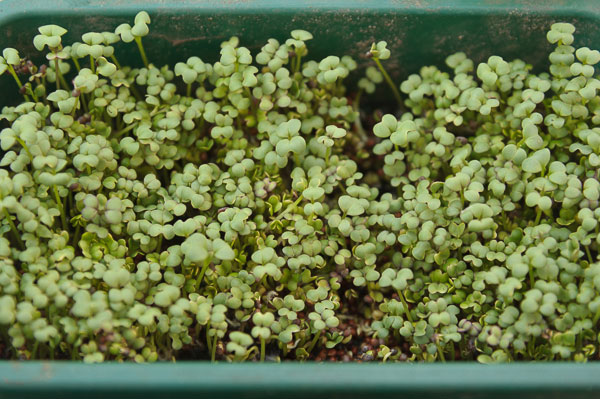
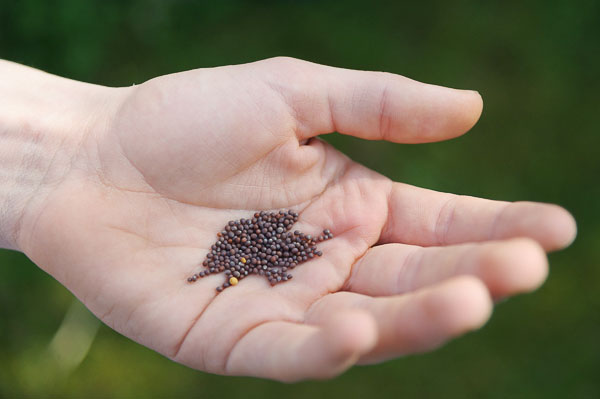
I am suggesting a slightly different take on Cress-heads with homegrown Mustard and Cress, or just Mustard if you really want to pep up your salads and sandwiches. All you need is a shallow tray with no holes in the bottom, one or two sheets of paper kitchen towel depending on the size of the tray and packets of Cress and Mustard seeds. If you cannot find Mustard seeds in a packet, especially as there seems to be quite an interest in GYO at the moment, then you can simply use a jar of Mustard seeds sold in the spice aisle of the supermarket. In fact you will get a lot more seeds for a lot less money that way and. of course perfectly safe as intended for eating!
How to grow mustard and cress
Fold your kitchen paper so that there are four layers and it fits neatly into the tray using trial and error or Maths and water it so that the paper is wet but not underwater. Then simply scatter the seeds thinly over the paper. Cress seed is tiny so the best way to avoid big clumps is to pick up a pinch of seed and rub finger and thumb together as you move your hand over the paper, as if scattering salt onto your chips. Mustard seeds are big enough for small fingers to pick up individually and space over the tray.
Put the tray onto a warm, light windowsill as all plants grow more quickly as the temperature rises, check each morning whether the paper needs watering to keep it damp and watch nature at work. After 5-7 days when all the seedlings are 4-5cm tall with a pair of round leaves, snip off the whole lot at the base to ‘harvest’. Final entertainment: the mustard and cress seedlings all look the same but if you pick and eat one you will quickly tell which you have!

The science
The sciency part is that seeds do not need soil to geminate, all they need is water to soften the hard outside seed coat and oxygen (from the air) to make use of the energy stored in the seed. This food store is why we eat grains, the seed of wheat and similar plants, and peas, the seeds of, well, Peas, but it really intended to provide enough energy for the tiny germinating seedling to grow until leaves appear.
If you want more gardening suggestions or tips, including how gardening is used as therapy, just visit my website www.gardeningbydesign.co.uk. You will find out how to watch my video tips on YouTube and get in touch with me.
Happy Gardening from Alison
Leave a Reply
You must be logged in to post a comment.