Finally the weather is warming up and Spring is starting to feel a little closer. It’s this time of year that many people start thinking about Spring cleaning. I asked Imogen from The Little Organising Company if she could give us her top 10 tips for keeping toys tidy…
It can be overwhelming to have clutter everywhere for adults, so remember it’s the same for children too. By editing and organising their toys, it will be easier for them find what they really want, and it will be easier for them and you to keep them tidy. Here are some tips to help get organised:
Less is more
It is easier to keep toys tidy if there are less of them. Start with a declutter and edit of the toys before trying to organise. There will always be something which doesn’t work, isn’t used or wanted.
Do the edit with your kids
Talk about why it’s ok to keep things you love but let go of what don’t you want any more. Ask them to choose the charity their items will go to, take them to the charity shop together and encourage a “one in one out” policy, when new toys are acquired.
Toy free zones
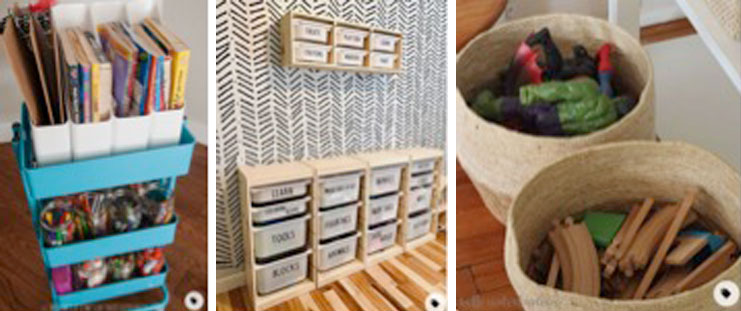
Decide which areas of the house the toys will live in. Agree with the family which areas of your home will be toy-free at the end of the day (even if away in storage). It might be that just one room is toy-free or all toys are to be kept in bedrooms. This might take a bit of practice for everyone but you’ll appreciate it long-term.
Start small
Choose one type of toy category to edit and organise at a time, like books, dolls accessories, pens or board games. Get warmed up and start with less emotional items first. Collect together everything from that category, seeing them all together helps decide how many you have room for. Look for broken, damaged items first and recycle if you can.
Use containers
Store different categories together and chose a place for everything to live – it helps kids to see what they have. Use small multiple containers to divide up and keep smaller items in their place like crafts, hair accessories and stationery. You can use what you already have like unwanted gift boxes or Tupperware. Large trugs or baskets are great for dress up items, big trucks or soft toys.
Save space
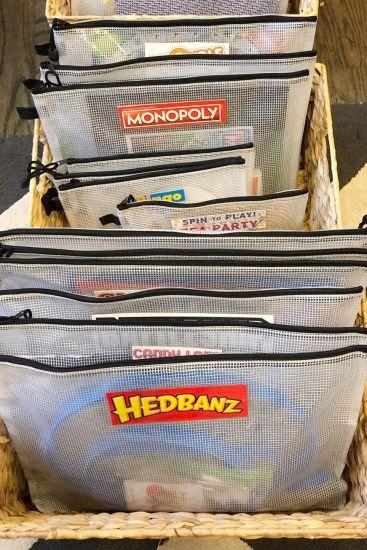
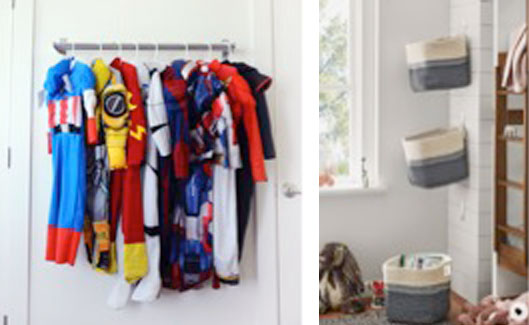
Clear storage boxes are great, but whatever you use, try to label or add cut out pictures on storage containers. This makes it easy, for little ones to see where stuff lives. Consider swapping bulky boxes for labelled clear zip bags. This is great for reducing storage space taken up by jigsaws and games. Have flexible storage, which can be moved or hung up when other toys come out. Use hooks on the inside of cupboard doors or wardrobes to avoid piles of stuff building up on the floor, which will add to a cluttered feeling.
Gifts of love
Consider what Marie Kondo says about gifts and donated family items like children’s clothes. Once the gift has been given, its job to convey love is done. So, don’t feel guilty giving away unwanted items just because they were given by a friend or family member. Create a keepsake box or photo album to store paintings and homemade items from your children. Once it’s full, have a quick look through; some things might begin to mean less over time. Take a photo if you want to remember them in the future, then them let go. Ask yourself what keeping them means to you and how many of each you need to fulfil that purpose.

Do you like Rainbows?
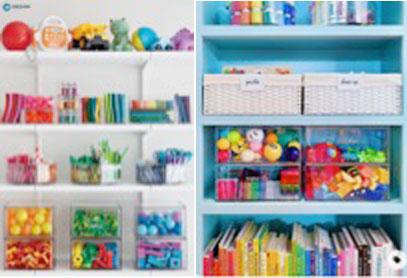
Most kids are visual and will remember items from what they look like rather than what they are. Try organising items by colour, it will be easier for children to find what they need. Books look great stored this way but it also works for games, toys and crafts.
Go electric
Have a specific container for charging cables and electronics. As kids grow they will accumulate more of these, just like we do. Label the cables of new electronics items (a small piece of paper covered in Sellotape will do). This will save time in the future and help reduce the endless random cables seemingly without a use.
Zone it
Try to create zones in a room, even if there is limited space. Give each child a labelled container for homework – so if they are working on a shared kitchen table, it can be easily put away when finished with. When choosing wardrobes or bedroom furniture allow for it to grow with the child. For example, look for hanging rails that can be adjusted to different heights over time. This way you maximise space when they are small and they can be changed as clothes get longer.
And finally
Consider how you declutter and organise your own belongings. Showing your kids the way you do it yourself is a great way to build their own patterns of behaviour.
You can find storage solutions in many places, including:
Ikea, Amazon, I-design John Lewis, Habitat and Hobbycraft
If you want help making this happen in your home let me know https://thelittleorganisingcompany.com/
For organising ideas follow me on Instagram https://www.instagram.com/littleorganisingcompany/
Be the first to hear about my free webinars via my mailing list
You must be logged in to post a comment.